GraFx Studio - Adobe® Photoshop® Exporter

✨ What’s New
GraFx Studio Exporter for Adobe® Photoshop®
Introducing a new (experimental) plugin that lets you export Adobe® Photoshop® documents directly into GraFx Studio as Smart Templates.
Introducing a new (experimental) plugin that lets you export Adobe® Photoshop® documents directly into GraFx Studio as Smart Templates.
v1.28
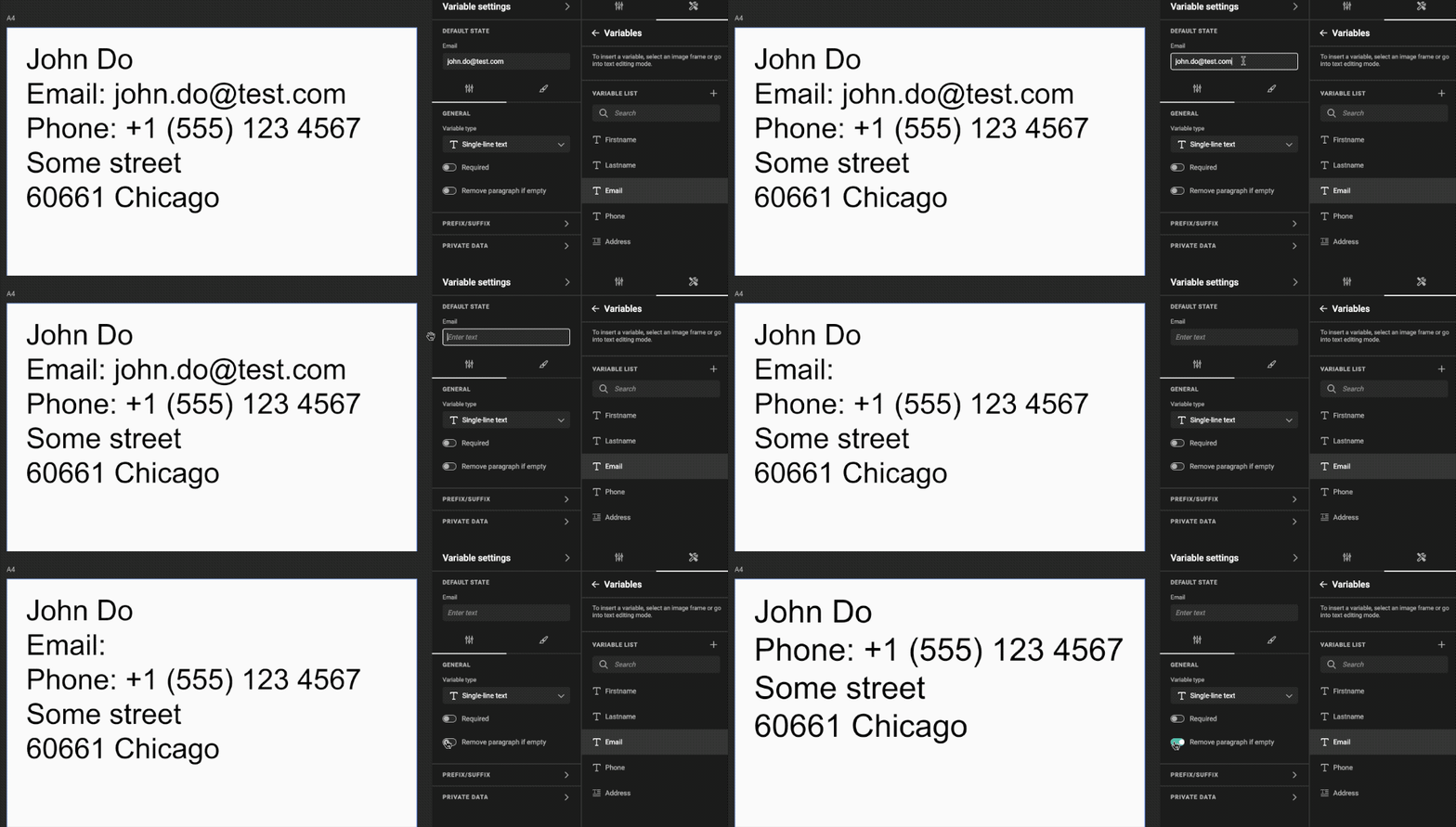
In automation, you can run into empty data points. Now you can specify to remove the paragraph, if a variable value is empty.
 v1.28

Good to know
These changes will only have impact on new assets, or on assets that have never been processed before

Define your visual identity once: media, colors, fonts, character styles and paragraph styles. Apply it everywhere in GraFx Studio for lightning-fast, on-brand template creation.
See GraFx Brand Kits
v1.27
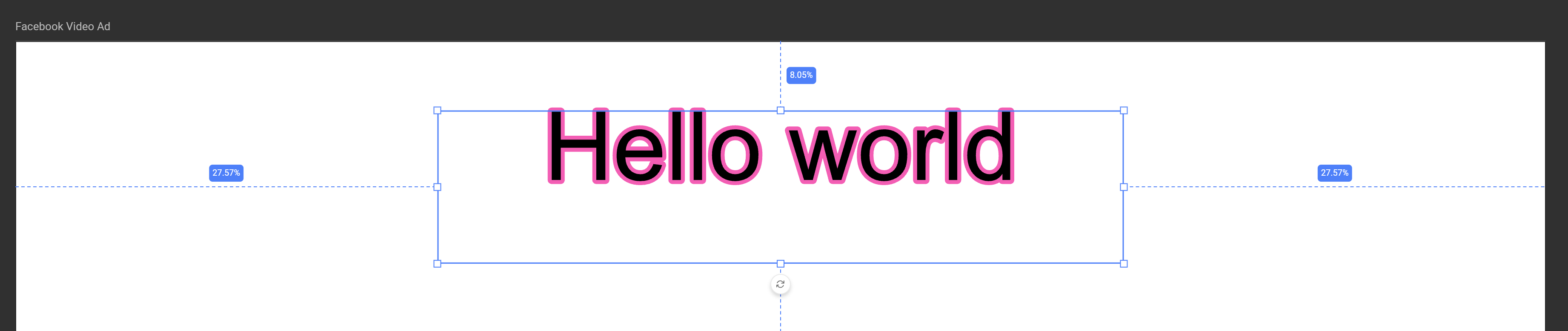
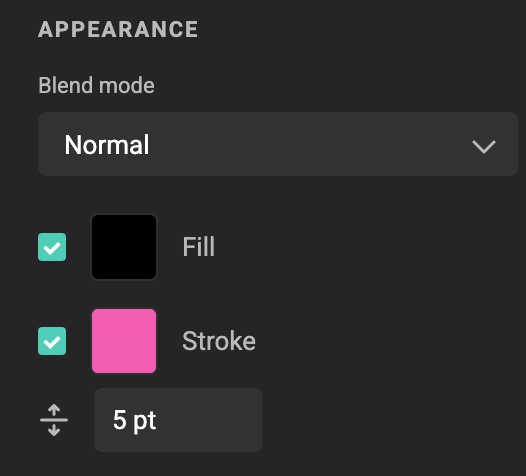
Happy creating! 🎨
v1.26
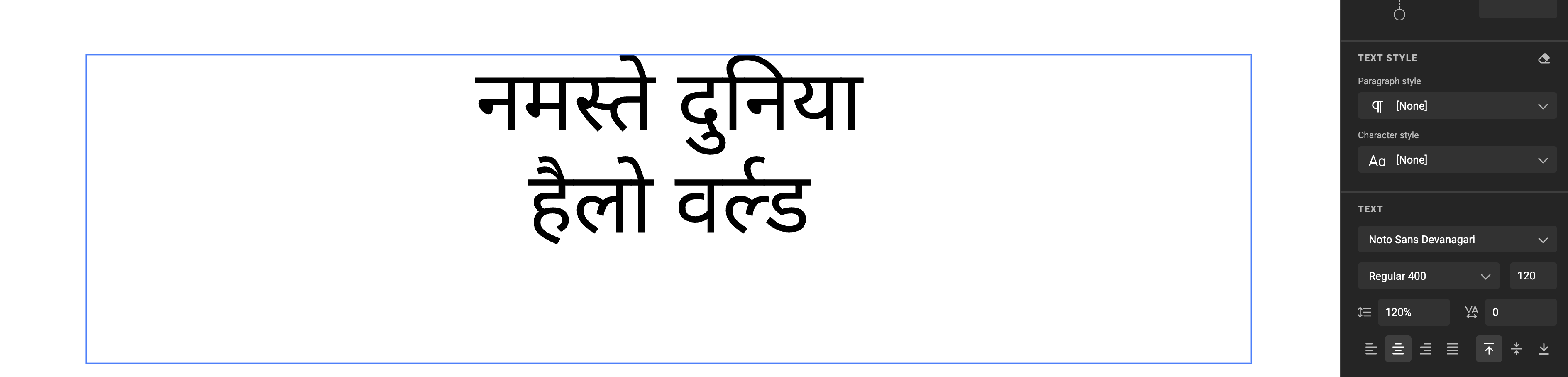
🌏 Support Indic languages
Full support for Indic scripts (e.g., Hindi), with correct shaping and rendering for complex characters.
🖼️ Improvements for per-asset crop
Refined cropping interface for individual assets, making custom cropping more precise and previews more reliable.
🗂️ Improvements for metadata mapping pop-up
Enhanced modal with fixed scrollbar and better navigation for mapping asset metadata fields.
🎨 Show color name and value in color picker
The color picker now displays both the color’s name and hex value, assisting users in verifying and selecting precise colors.
👁️🗨️ Show/Hide multiple frames at once
Select and toggle visibility for multiple frames at the same time for faster, easier canvas management.
🏷️ Stylekit becomes a Brand Kit
“Stylekit” is now “Brand Kit” throughout the app.
💡 Add tooltips in Run mode
Contextual tooltips appear in Run mode, providing inline help for users reviewing or editing documents.
📝 Add placeholder input field for multiline variable
Multiline variable fields now show placeholder text, clarifying where to input content.
✨ Fix for auto grow
Text and variable fields expand smoothly as content is entered, ensuring a fluid editing experience.
📐 Fix for layout size in actions
Layout sizes are now correctly handled during automated actions and scripting.
⏱️ Fix for animation timeline
Timeline bugs are resolved, delivering accurate keyframe placement and playback.
🖼️ Fix for min, max value in image upload
Upload validation now reliably enforces minimum and maximum image dimensions and size constraints.
🏷️ Fix for collapsed whitespaces in frame name
Frame names always display correctly, even with collapsed spaces.
🔢 Min and max help text for layouts
Layout controls now display guidance on allowed min/max values for dimensions and other parameters.
🌐 Variables and layouts translations
Variable and layout names can be localized, making template UIs accessible in multiple languages.
↔️ Supporting RTL (right to left)
The UI, variable fields, and layouts now support right-to-left languages such as Arabic and Hebrew.

v1.25
Template designers can allow end-users to upload their own images directly in the Studio UI! This enables deeper personalization and flexibility for user-generated content, custom branding, and campaign variations.
Currently, you can enable either image browsing or uploading for end-users — soon, you will be able to offer both options simultaneously.
See Image Variable on how to enable Image Upload in template variables.
v1.24
Template designers can now lock specific images to a manual crop, even when using automatic fit modes like Smart Crop. This gives you full control over how visuals are framed.
Next time you load this image into this layout, in that frame, it will remember the manually cropped position. This enables automation, and perfected override by the human-in-the-loop.
See Concept of Manual Crop Override
and how to set the override using image fill properties
Quickly preview how your assets will be cropped — directly from the asset details page in the workspace. No need to switch views or tools.
Batch output is now available for all output formats. While PDF, PNG, and JPG already support this feature, you can now generate MP4 and GIF files in batch as well. Just activate the data source option in your output settings to automatically create a file for each record in your dataset.
We’ve also added improved error handling for MP4 and GIF outputs, aligning them with the reliability of our other formats.